Love Is Blind Season 10 Weddings Ranked: The Most Chaotic Altar Moments Ever
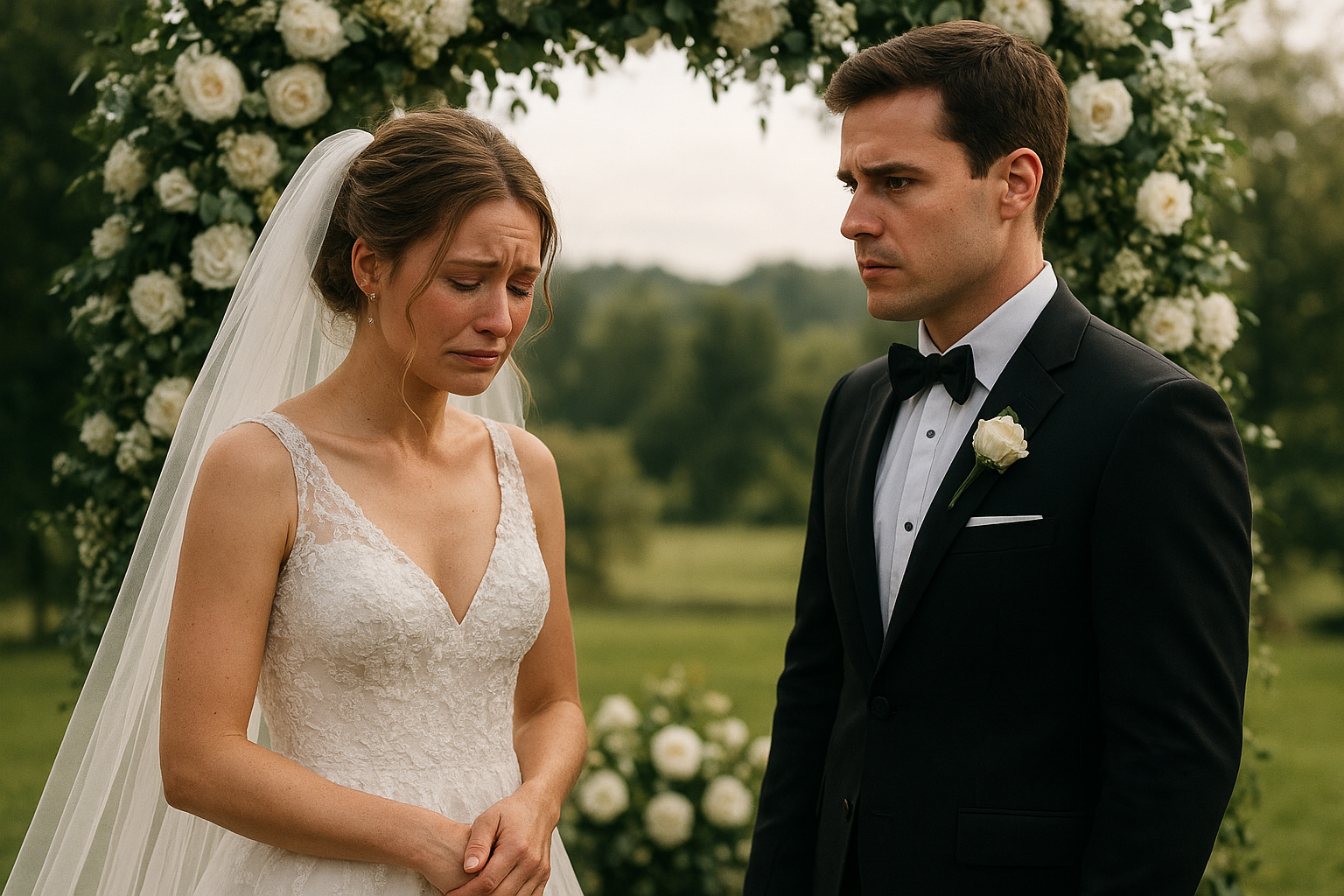
Introduction: The Altar of Chaos – Why Love Is Blind Season 10 Weddings Captivated Us
Imagine this: after weeks of building a connection sight unseen, you’re engaged, have met the families, and moved in together. Now, you stand at an altar. Dozens of cameras and millions of viewers hang on your next word. The pressure is astronomical.
This is the core gamble of Love Is Blind, and Season 10 transformed that gamble into pure, unadulterated spectacle. We weren’t just glued to our screens for romance, but for the raw, unfiltered chaos of commitment under a microscope.
The Ultimate Social Experiment Meets Reality TV Pressure
At its heart, Love Is Blind asks a profound question: can emotional connection truly override physical attraction and real-world logistics? Season 10, however, felt less like a gentle inquiry and more like a pressure cooker.
The accelerated timeline, the looming wedding date, and the ever-present production crew created a perfect storm. It’s a social experiment where the lab conditions are engineered to maximize drama. The result? Some of the most memorable—and devastating—wedding ceremonies in the show’s history.
From Pods to "I Don't": Ranking the Season's Most Tumultuous Ceremonies
This isn't just about who said "yes" or "no." It's about the journey to that moment. We ranked these weddings based on the volatility of the lead-up, the emotional impact of the decision, and the lasting shock value.
We analyzed pod connections, post-honeymoon meltdowns, family interventions, and the final walk to the altar. Let’s dive into the chaos that defined Season 10.
The Anatomy of a Love Is Blind Wedding: A Recipe for Drama
To understand why these weddings explode, you need to understand the ingredients. It’s a complex system with multiple failure points.
The Accelerated Timeline: Can You Build a Foundation in Weeks?
The show’s premise is built on speed. From first conversation to "I do" is roughly 38 days. In business terms, this is like merging two companies after a single Zoom call. There’s no time for the slow build of trust.
Conflicts about core values—finances, children, lifestyle—are compressed into a few high-stakes conversations. This artificial deadline forces decisions that would normally take months or years, creating a foundation built on sand.
The Family & Friends Factor: External Pressures and Public Opinions
The "meet the family" episode is often a game-changer. External validation (or the brutal lack of it) weighs heavily. A skeptical parent or a judgmental friend can plant seeds of doubt that flourish under wedding-day stress. It’s the ultimate focus group, and sometimes the feedback is devastating, adding a layer of public scrutiny before the ceremony even begins.
Production's Role: Editing, Interviews, and the Walk to the Altar
Let’s be clear: this is a produced television show. The narrative is shaped in the edit bay. Confessional interviews filmed after the fact can reframe events. The structure itself—the dramatic walk, the separated waiting rooms—is engineered for maximum tension.
While the emotions are real, the presentation is curated for entertainment. It’s the difference between a live documentary and a produced series.
Love Is Blind Season 10: Ranking the Most Chaotic Weddings
Based on a volatility index, here is our definitive ranking of Season 10’s most chaotic walk-down-the-aisle moments.
#1: The Most Explosive "I Don't": Clay and AD's Shocking Rejection
This was the season’s thermonuclear event. Clay and AD’s relationship was a rollercoaster from the start, marked by Clay’s vocalized fears of infidelity and commitment. Their pre-wedding conversations were filled with palpable dread, yet AD arrived hopeful.
At the altar, Clay delivered a speech that seemed to be winding toward a "yes," only to pivot into a devastating "I cannot marry you." The whiplash was extreme. AD’s composed but heartbroken reaction, followed by Clay’s immediate and vocal regret, created a scene of pure, unfiltered chaos—a rejection that felt both predictable and shocking.
#2: The Last-Minute Meltdown: Chelsea and Jimmy's Pre-Ceremony Breakdown
If Clay and AD exploded at the altar, Chelsea and Jimmy’s wedding imploded before it. Their relationship was plagued by insecurity, primarily stemming from Chelsea’s fixation on Jimmy’s past pod connection. The trust was never fully built.
The true chaos wasn't in the ceremony itself—they both said "no"—but in the spectacular, tear-filled breakdowns in the hours prior. It was a slow-motion car crash, making the final "no's" feel like a merciful conclusion to a public unraveling.
#3: The Quietly Devastating "No": Laura and Jeramey's Heartbreaking Realization
Sometimes, chaos isn't loud; it’s a cold, quiet realization. Laura and Jeramey presented a relatively stable front. This made the dissonance at the altar more powerful.
Laura, clear-eyed and resolute, said "no." Her reasoning was calm and final: the connection wasn't deep enough. Jeramey’s shock highlighted a different tragedy—a fundamental, quiet disconnect that no amount of pod talk could bridge. The chaos was an internal, silent implosion of hope.
#4: The Unexpected "Yes" Amid Doubt: Amy and Johnny's Surprising Commitment
Chaos can also be born from a surprise "yes." Amy and Johnny were the season’s sweethearts, but they faced normal conflicts about living situations and family. Before their vows, there was genuine suspense.
Their mutual "I do" was a shock to the system—a positive one. In a season defined by "no's," their commitment created a different dramatic tension: the fear that this beautiful experiment might actually work against all odds. The chaos was in the relief and the sudden burden of hope.
Case Study: Deconstructing a Season 10 Wedding Disaster
Let’s take a deeper dive into the #1 ranked chaos generator to understand the mechanics of a televised wedding disaster.
The Pod Connection vs. Real-World Incompatibility
Clay and AD’s pod connection was intense and emotionally charged, built in a vacuum. Once outside, fundamental mismatches emerged. AD sought security and clear devotion; Clay exhibited patterns of avoidance and fear. The pod connection was real, but insufficient for the marriage they both claimed to want.
Key Moments of Conflict: The Honeymoon, Shared Space, and Financial Talks
Cracks appeared quickly. Honeymoon conversations triggered Clay’s insecurities. Moving in highlighted differing domestic expectations. Their financial "budgeting" date was particularly telling: AD’s pragmatic, future-oriented approach clashed with Clay’s present-focused mindset. This was a proxy war for their entire approach to partnership.
The Final Straw: What Specifically Went Wrong at the Altar?
Clay’s altar speech was a masterpiece of self-sabotage. He praised AD profusely—a build-up that sounded like a prelude to a "yes." The pivot to "I cannot marry you" created brutal emotional whiplash. The final straw was his own unprocessed fear of becoming his father. The pressure of performance, personal trauma, and lifelong commitment collided, and he chose the escape hatch.
The Risks and Repercussions of Televised Matrimony
The fallout from these chaotic altars extends far beyond the final credits.
Emotional Fallout: Public Scrutiny and Mental Health Considerations
Contestants sign up for this, but can anyone be prepared for the global dissection of their deepest insecurities? After a public rejection, they face a barrage of social media commentary and memes. The mental health toll is staggering. The show provides aftercare, but the digital footprint is forever.
The "Villain" Edit: How Reality TV Shapes Narratives
Reality TV needs characters. Through selective editing, confessionals, and music cues, a participant’s conflicted choice can be framed as malicious. This narrative shaping has real-world consequences, affecting public perception and future opportunities. It’s a high-stakes reputational gamble.
Beyond the Show: Can These Relationships Survive in the Real World?
For the few who say "yes," the real experiment begins when the cameras leave. They must build trust without the artificial structure. Some couples, like Amy and Johnny, have a fighting chance because their conflicts were about normal, solvable issues. Others from past seasons have crumbled under the weight of real-world incompatibility the pods couldn't screen for.
The Future of Love Is Blind and Reality Romance
Season 10 felt like a turning point. The chaos was dialed up, but so was viewer skepticism.
Evolving Audience Expectations: Are Viewers Becoming Savvier?
We’re not naive anymore. We understand the edit and look for producer plants. The conversation has shifted from "Will they or won’t they?" to "How is the show manipulating this moment?" This savviness forces innovation but risks cynicism. The audience still craves authentic emotion but can spot manufactured drama.
Casting Trends: The Search for Authenticity vs. Pure Entertainment
There’s a clear tension. Do you cast genuine people seeking love, or personalities primed for conflict? Season 10 leaned toward the latter. The future depends on finding the sweet spot: people compelling enough to watch but authentic enough to make us believe the experiment still matters.
The Legacy of Season 10: How It Stacks Up
In terms of pure wedding-day chaos, Season 10 is near the top. It may lack lasting success stories but delivered on dramatic, water-cooler television. Its legacy is those altar moments—the shocking "no's," the quiet heartbreak, and the one surprising "yes." It reinforced that Love Is Blind is, at its core, a high-stakes drama about modern relationships.
Conclusion: Love, Chaos, and the Unending Appeal of the Experiment
Love Is Blind Season 10 worked because it tapped into our deepest anxieties and hopes about love itself.
Summary: The Thin Line Between Romantic Hope and Television Spectacle
The season masterfully walked the line between genuine emotional exploration and produced spectacle. We watched real vulnerability exploited by the format’s intense pressure. The weddings crystallized that conflict: a romantic ideal smashed against the rocks of reality TV production.
Final Takeaways on Vulnerability, Trust, and Performance
The key takeaway is that trust built in an accelerated, artificial environment is incredibly fragile. Vulnerability is powerful, but without the day-to-day reinforcement that comes with time, it can shatter. Furthermore, adding an audience—a performance element—changes the chemistry of a relationship irrevocably.
Looking Ahead: What Lasting Impact Will Season 10 Have?
Season 10’s chaotic weddings will likely influence future contestants. They’ve seen the backlash and the emotional toll. This may lead to more guarded participants or those aiming to "game" the system. For the show, the challenge is clear: maintain the delicate, captivating balance between authentic human connection and the chaos we love to watch.
FAQ: Your Love Is Blind Season 10 Questions Answered
Are any of the Love Is Blind Season 10 couples still together?
As of early 2026, only one married couple from Season 10 is confirmed to still be together: Amy and Johnny. They have successfully navigated the post-show transition.
The other couples who married—Clay and AD, Chelsea and Jimmy, and Laura and Jeramey—are all divorced. Their marriages, while legally binding, dissolved often within months, highlighting the immense difficulty of transitioning from the experiment to real life.
How much of the wedding drama is influenced or produced by the show?
While the emotions and decisions are real, the environment is heavily produced. Key influences include:
* The relentless, accelerated timeline.
* Editing that shapes hero/villain narratives.
* Post-event confessional interviews that reframe past feelings.
* The physical setup of the wedding day (separate holding areas, the dramatic walk).
Producers don't script the "I don't," but they create every condition for high drama and suspense. It’s a curated reality.
What happens legally if a couple says "I do" on Love Is Blind?
It is a legally binding marriage. Couples obtain a marriage license prior, and an ordained officiant conducts the ceremony in Georgia. After saying "I do," they are legally married.
If they separate, they must go through formal divorce or annulment proceedings. The show covers the wedding cost, but legal ramifications and potential divorce costs are the participants' responsibility.